
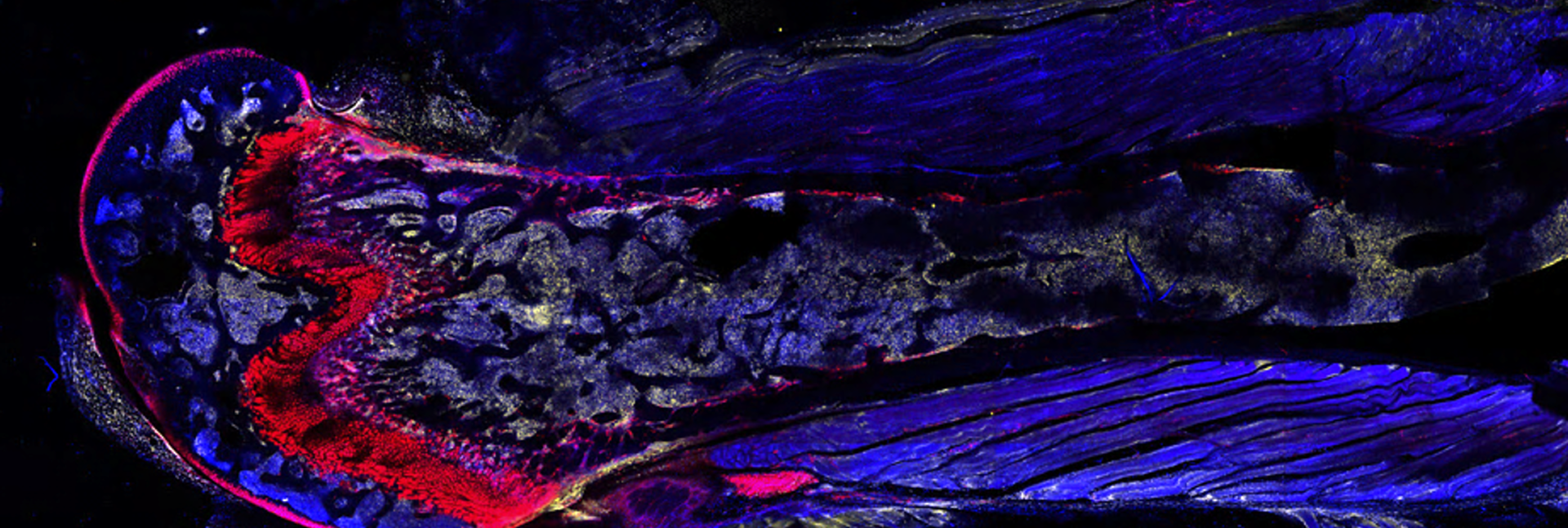
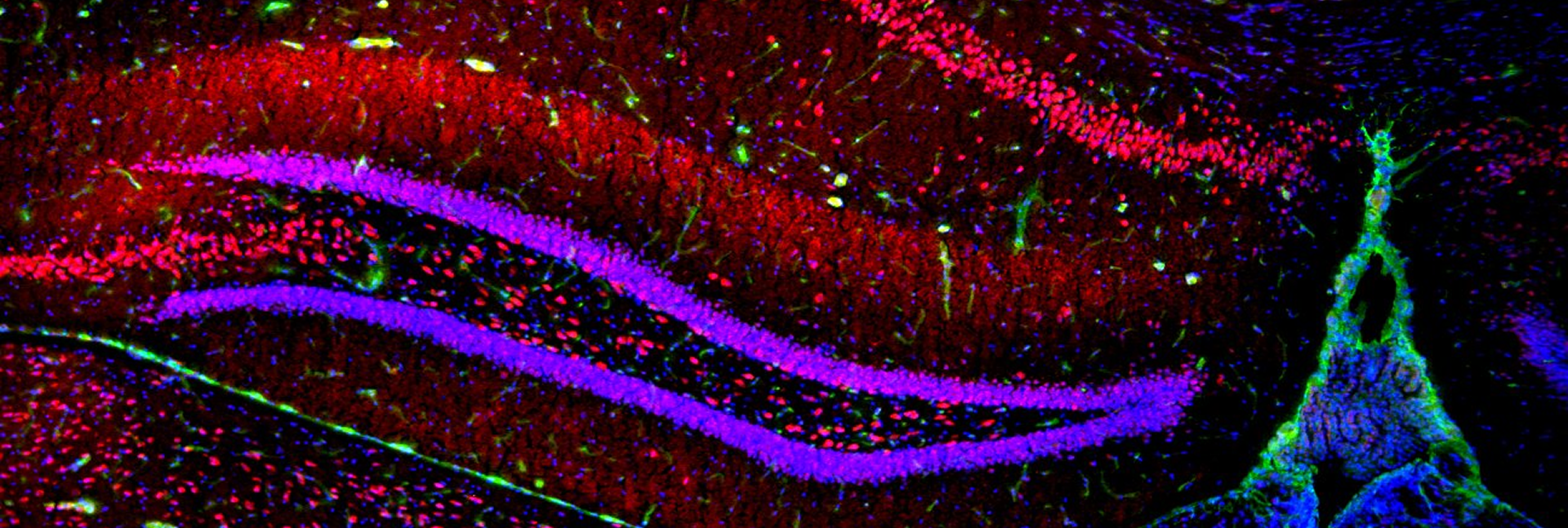
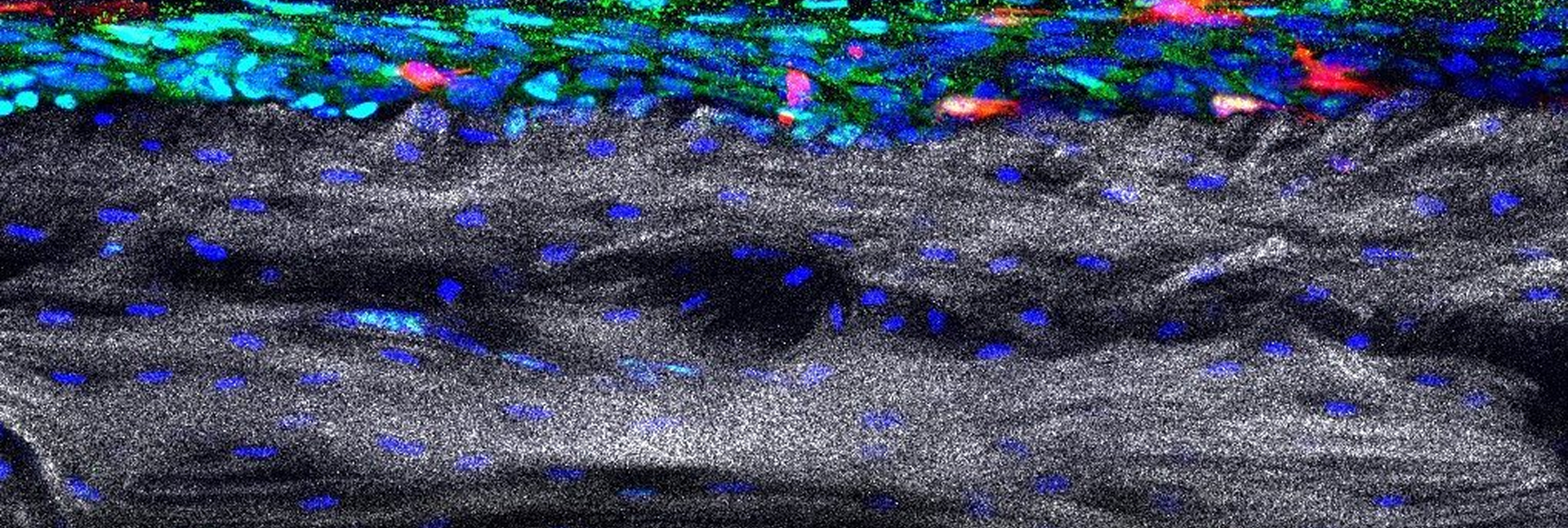
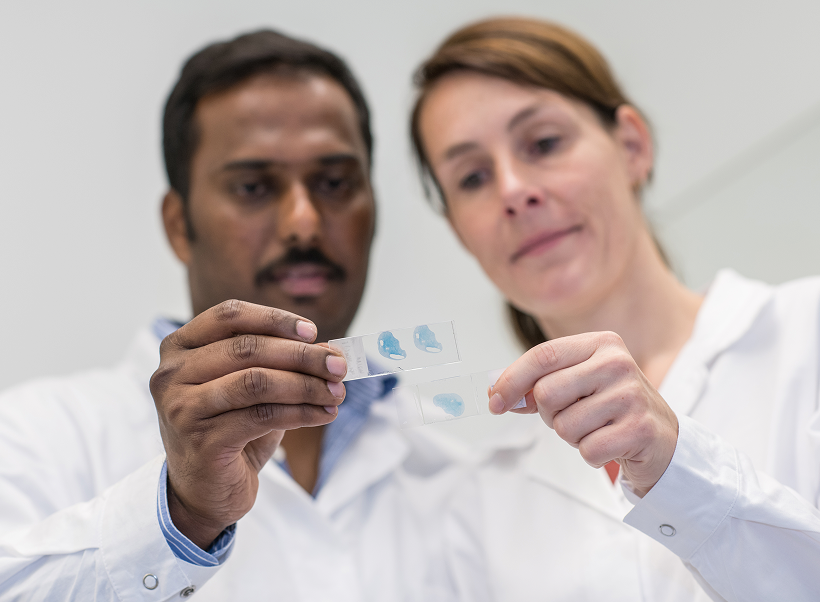
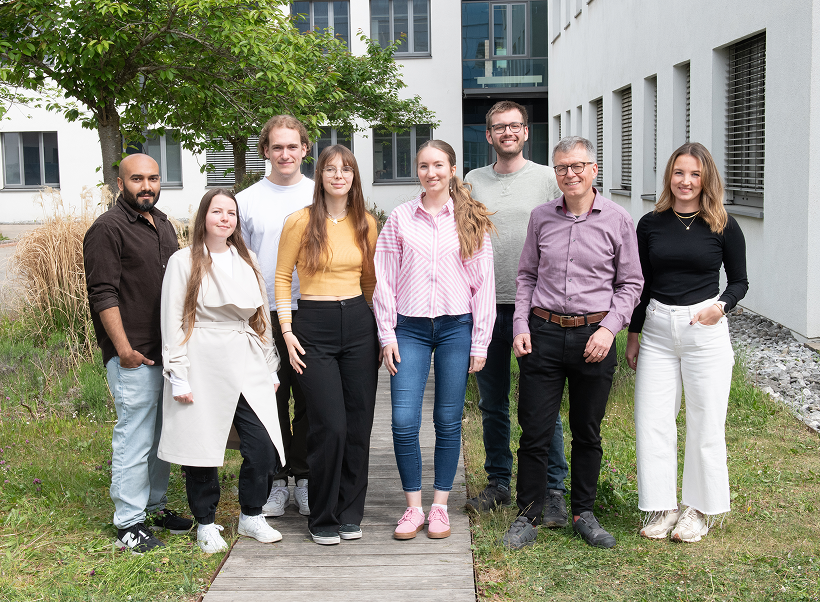





At the Institute of Molecular Endocrinology and Physiology, we explore neuro-endocrine mechanisms of stress responses in circadian and seasonal contexts, emphasising regulation by stress hormones like cortisol and catecholamines. Our research addresses inflammation, energy metabolism, musculoskeletal homeostasis, and mineral metabolism through disease models of chronic inflammation, cancer, aging, bone regeneration, and iron homeostasis. Our work significantly contributes to the university's Life Science focus "Life Long Health," and targets "Mechanisms of stress and resilience of biological systems".
Research outcomes inform teaching in bachelor's and master's programmes in Biology, Biochemistry, Pharmaceutical Biochemistry, Human Medicine, and Dentistry. The institute leads fundamental endocrinological and physiological research aimed at understanding hormonal pathways with therapeutic potential for inflammatory diseases, metabolic disorders, and osteoporosis.
A journey through discovery of 75 years of glucocorticoids
We proudly announce our review article about the concepts of cortisol action published in the Annals of Rheumatoid Diseases, 75 years after the Hallmark paper from Hench and Kendall that inaugurated cortisol treatment. Eiers AK, Vettorazzi S, Tuckermann JP. Journey through discovery of 75 years of glucocorticoids: evolution of our knowledge of glucocorticoid receptor mechanisms in rheumatic diseases. Ann Rheum Dis (2024)ard-2023-225371. doi: 10.1136/ard-2023-225371
Read the Article


